The Caregiving Benefits of Humor and Laughter
When caregiving for an elderly loved one, here’s why putting a little humor back in their life is so important for their continued health and wellbeing.


When caregiving for an elderly loved one, here’s why putting a little humor back in their life is so important for their continued health and wellbeing.

For those currently looking after aging in place seniors, knowing how to detect the signs of a UTI early on could be a game-changer. Read on to learn more!

Is your parent hesitant to accept help? If so, here are five ways to ease your senior loved one into accepting some professional home care.

Millions of caregivers take care of more than one person at a time- a growing phenomenon known as “compound caregiving”. Here are some important tips!

Is there a senior in your life who wants to remain in the comfort of their own home? Here's how to know when it's time for some home care assistance so they can do just that.
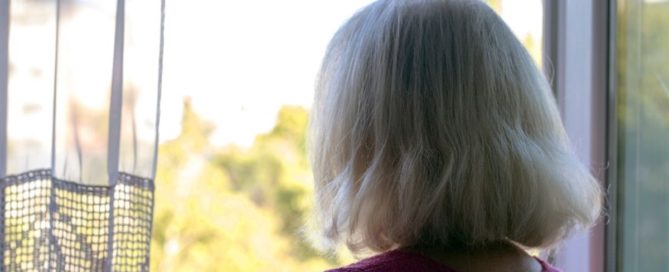
Although most seniors get depressed from time to time, depression is not a normal part of the aging process. Being able to detect the signs and intervene can be vital to their wellbeing.

If you're a family caregiver, here are some ways you can work with professional caregivers so that your loved one's needs are always being met.

As they age, communication can become increasingly difficult for elderly loved ones. Here are four tips that can help you overcome that obstacle.

In addition to the aging process itself, many older motorists face driving impairment challenges caused by certain medications. Before asking your parent to turn over the car keys for good, see if one of their medications could be affecting them.

Although serving as an informal caregiver is highly rewarding, it can also be physically, mentally, and emotionally demanding. If you’re an independent senior who relies upon an informal caregiver, these are some things that they might want you to know.
Providing Private Duty Home Care and Wound Care Services
Serving St. Louis, Jefferson, St. Charles, and Lincoln County Areas

Our Services
Helpful Links
Company Info
629 North New Ballas Road,
Suite 208
Creve Coeur, MO 63141
(314) 432-9270
2026 Caring Professionals | All Rights Reserved | Powered By Home Care Marketing Pros