What is Home Care and is it Right for Me?
According to a recent AARP survey, a majority (77%) of Americans aged 50-and-over want to continue aging in place for as long as possible. If you feel that way, home care might be the perfect choice for you.


According to a recent AARP survey, a majority (77%) of Americans aged 50-and-over want to continue aging in place for as long as possible. If you feel that way, home care might be the perfect choice for you.

Are you staying up at night worrying about your aging parent's health and wellbeing? If you think it's time for home care, here’s how to select the right home care agency so that their needs are met and their wishes are respected.
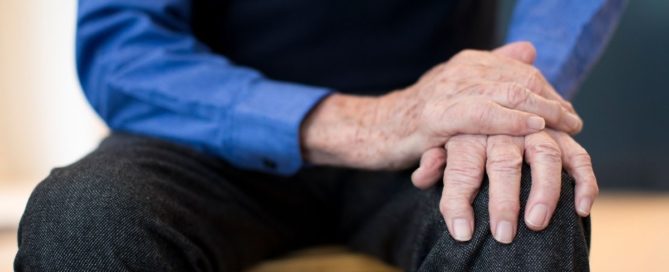
Parkinson’s can be a very complicated disease to diagnose, with signs and symptoms that mimic those of other health conditions commonly found in the elderly. If you are currently caring for an aging in place loved one, here’s what to look for.

For aging-in-place seniors who live in cold-weather states, spring’s arrival is a welcomed breath of fresh air. But when seasonal allergies are a problem, nature’s colorful blooming flowers and budding trees can also be a source of frustration and discomfort.

March is National Nutrition Month, which means it’s a great time to start energizing your senior’s nutritional health. Here are some great ways to do so:
Helping a senior loved one recover after a heart attack and keep their heart healthier going forward should go more smoothly when taking these steps.

Your elderly father still lives alone in the house you grew up in. Dad’s health hasn’t been the greatest lately, so you’ve been trying to help him out when you have time. After considering your options, you’ve decided that it might be best to hire dad a professional home caregiver.

Knowing how to tell the difference between home care and home health care will no doubt matter when important decisions weigh in the balance. What follows is some information that can help guide your decision-making process.

Nobody likes to feel alone, but for seniors aged 65-and-over, loneliness can be a constant companion. Chronic health conditions, lack of transportation and poor mobility can all leave seniors feeling lonely, depressed and unappreciated. If those negative feelings persist, they can cause serious health problems that eventually threaten an elderly person’s independence.

Bearing the responsibility of caring for a loved one can be extremely stressful. Not only does meeting the daily needs of the one you’re caring for create stress, but having your own needs met can be very challenging and cause additional stress for you. This can result in physical and emotional trauma for you and potentially diminished care for the person you’re caring for.
Providing Private Duty Home Care and Wound Care Services
Serving St. Louis, Jefferson, St. Charles, and Lincoln County Areas

Our Services
Helpful Links
Company Info
629 North New Ballas Road,
Suite 208
Creve Coeur, MO 63141
(314) 432-9270
2026 Caring Professionals | All Rights Reserved | Powered By Home Care Marketing Pros